Contents (12 sections)
Creating a family polytunnel garden is an excellent way to combine sustainable living with engaging outdoor activities for children. Not only does it foster a sense of responsibility and teamwork, but it also provides delicious homegrown produce. In this tutorial, we'll guide you through establishing your family polytunnel garden, complete with practical tips and common pitfalls to avoid.
1. Understanding the Basics of Polytunnel Gardening
A polytunnel, also known as a hoop house, is a tunnel made of polyethylene, built to provide a microclimate that is conducive for growing various plants. It allows for extended growing seasons, which is ideal for families looking to cultivate their own produce. The structure protects plants from extreme weather and pests, providing a stable environment that is perfect for learning with children.
According to UFC-Que Choisir, utilising a polytunnel can increase your crop yield by up to 30% compared to open-field gardening. This makes it a rewarding project for families looking to make the most of their garden space.
2. Planning Your Family Polytunnel Garden
Before you begin, determine the location and size of your polytunnel. It's essential to consider the available sunlight and proximity to water sources, as both factors will influence plant growth. Engage your children in this process, teaching them how plants rely on sunlight and water to thrive.
Measure the area and plan the layout of the plants you aim to grow. Include your children's favourite vegetables or fruits, providing them with a sense of ownership over the process. By integrating their preferences, you will encourage them to actively participate in the garden’s success.
💡 Avis d'expert : Engaging children in the planning stage not only teaches valuable life skills but also enhances their curiosity about nature and sustainability.
3. Building the Polytunnel
Erecting a polytunnel involves several steps: choosing the frame material (usually aluminium or PVC), securing the structure, and covering it with polyethylene. It's a fantastic opportunity for hands-on learning with children, where they can help with tasks like holding tools or measuring.
Consider visiting a local supplier to see different models and gather ideas. Use this as an educational outing, where children can learn about various gardening tools and techniques from experienced gardeners.
4. Selecting Suitable Plants
Choosing the right plants is crucial for ensuring a productive polytunnel garden. Opt for a mix of fast-growing and long-season fruits and vegetables. Leafy greens such as lettuce and spinach are excellent for quick wins, while crops like tomatoes and peppers offer longer-term rewards.
According to ADEME, incorporating a variety of plants can create a biodiverse environment that reduces pest issues and supports better plant health.
5. Maintaining the Garden
Once the plants are in, regular maintenance is essential. Teach children the basics of watering, weeding, and monitoring for pests. Use this time to educate them about the plant lifecycle and the importance of each task. Create a weekly schedule that assigns simple tasks to family members, ensuring consistent care.
It’s also a good time to explore organic gardening practices, such as composting and natural pest repellents.
6. Harvesting and Enjoying the Fruits of Your Labour
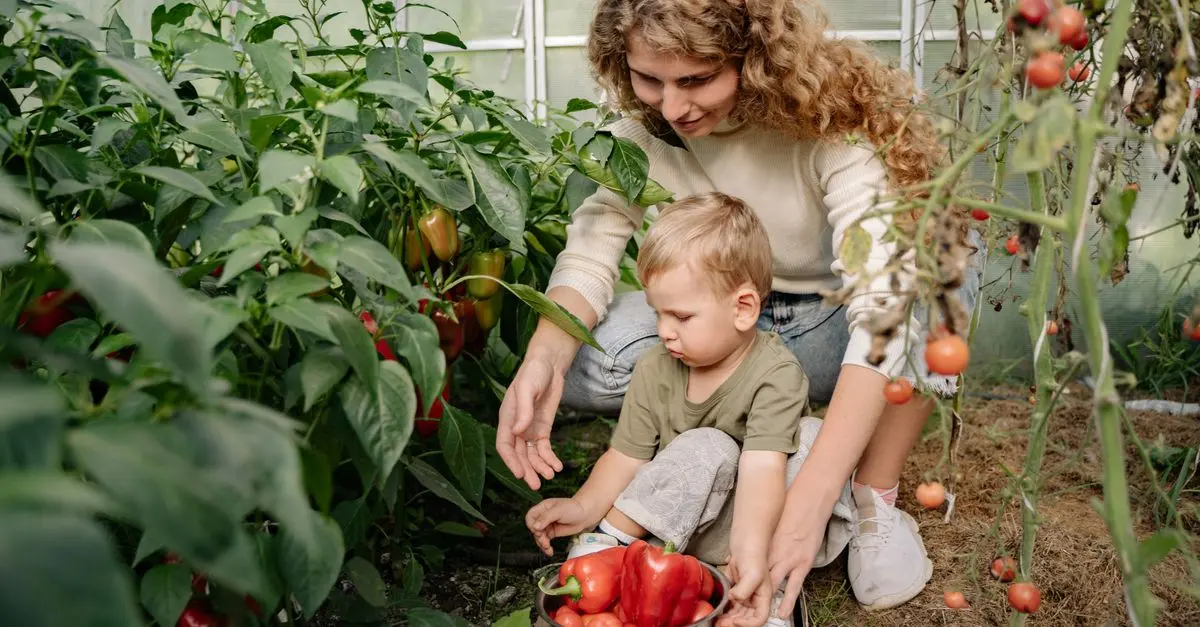
Harvest time is exciting for children, as they witness the tangible results of their efforts. Involve them in picking ripe fruits and vegetables, and discuss ways to use the produce in meals.
Create simple recipes together, reinforcing the idea of farm-to-table and encouraging healthier eating habits. This stage can be documented through photographs or videos, creating memories that your family can cherish.
📺 Ressource Vidéo
📺 Pour aller plus loin : Family Polytunnel Gardening Techniques, a comprehensive guide on setting up and maintaining a polytunnel with your family. Recherchez sur YouTube :
family polytunnel gardening techniques.
📊 Comparison Table
| Feature | Polytunnel Gardening | Traditional Gardening | Verdict |
|---|---|---|---|
| Season Length | Extended | Limited | Polytunnel is better |
| Plant Variety | Diverse | Moderate | Polytunnel is better |
| Cost | Medium | Low | Traditional is cheaper |
| Maintenance | Moderate | Low | Traditional is easier |
| Terme | Définition |
|---|---|
| Polytunnel | A tunnel-like structure used to create a microclimate for plants. |
| Microclimate | A local atmospheric zone where the climate differs from the surrounding area. |
| Season Extension | Techniques used to extend the growing period of crops. |
- [ ] Choose an appropriate polytunnel site
- [ ] Purchase materials and build the structure
- [ ] Select a variety of plants
- [ ] Engage family members in regular maintenance
- [ ] Plan and enjoy meals using harvested produce
Conclusion
Starting a family polytunnel garden is not only rewarding in terms of produce but also as a family bonding activity that teaches sustainable living practices. By following these steps, engaging your children, and avoiding common pitfalls, you can cultivate a thriving garden and create lasting memories.
🧠 Quiz rapide : What is a key benefit of polytunnel gardening?
- A) Shorter growing seasons
- B) Increased crop yield
- C) Higher pest levels
Réponse : B — Polytunnels help increase crop yield by offering a controlled environment.
By engaging in this enriching activity, your family can enjoy the fruits of your collective labour while contributing positively to the environment.