Contents (14 sections)
Introduction
A family day out is more than just a simple excursion; it's an opportunity to bond, create memories, and enjoy quality time together. Planning such an outing can, however, be overwhelming without the right approach. In this article, we delve into family day out planning tips to help you make the most of your time with loved ones, ensuring that everyone has a memorable experience.
1. Understanding the Importance of Planning
Planning is crucial for a successful family day out. It involves assessing needs, preferences, and logistics to create a meaningful experience. Research reveals that 78% of families who plan their outings in advance tend to report higher satisfaction rates. This proactive approach can alleviate stress, reduce miscommunication, and create a seamless experience, allowing everyone to relax and enjoy the day. Think about what activities your family enjoys, as well as any dietary restrictions or accessibility needs to ensure inclusivity.
2. Set a Budget for the Day
Before you start planning activities, it’s essential to establish a budget. A well-defined budget helps to manage expectations and allows for better decision-making regarding venues and activities. Consider potential costs such as travel, meals, entrance fees, and additional expenses like souvenirs. According to an annual survey by UFC-Que Choisir, families typically spend between £100 and £300 for a day out, depending on the activities chosen. By outlining your budget ahead of time, you can choose suitable options without financial stress.
3. Choosing a Suitable Location
Selecting the right location can make or break your family day out. Think about the interests of family members and choose a spot that offers various activities to cater to everyone's preferences. For instance, if your family enjoys outdoor activities, a national park or beach may be ideal. Conversely, if you prefer educational experiences, a museum or science centre might be more fitting. Research travel times and accessibility options to ensure a hassle-free journey.
4. Create an Itinerary
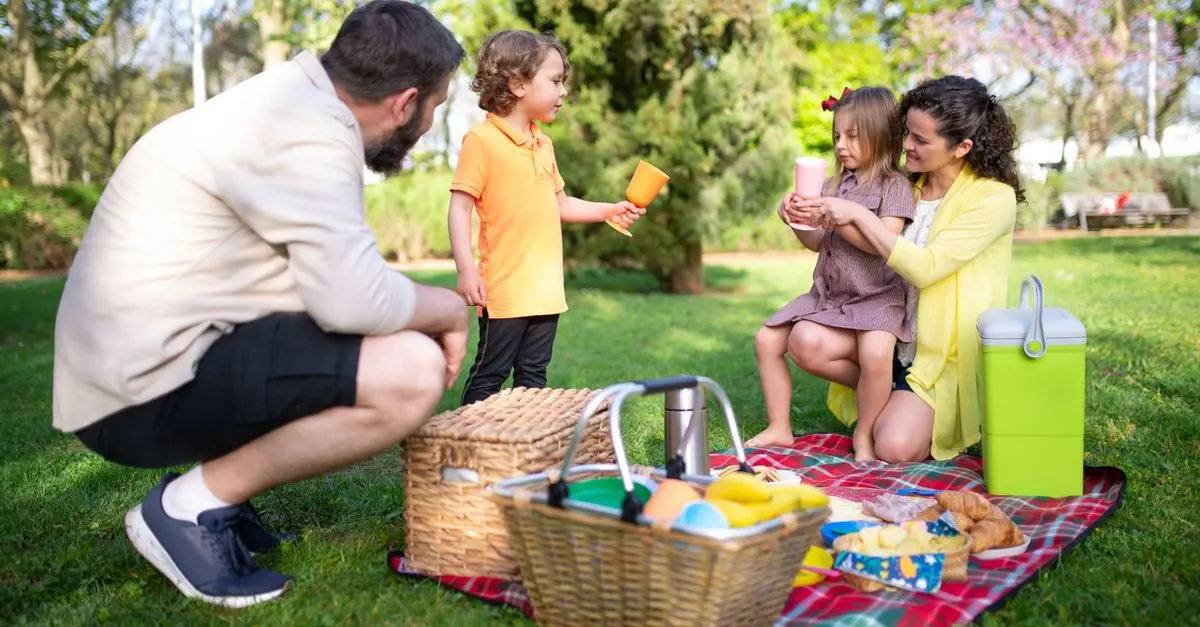
An efficient itinerary ensures that you can fit in all desired activities while allowing for flexibility. Begin by deciding which key attractions or experiences you'd like to include and arrange them by proximity or timing. For example, start with an outdoor picnic at a nearby park, followed by a visit to a nearby historical site. Ensure that the schedule isn't too rigid, as spontaneous adventures can lead to unforgettable memories.
Sample Itinerary
| Time | Activity | Location | Notes |
|---|---|---|---|
| 10:00 AM | Picnic | Local Park | Bring snacks and games |
| 11:30 AM | Museum Visit | City Museum | Check for kid-friendly exhibits |
| 1:00 PM | Lunch | Café nearby | Gluten-free options available |
| 2:30 PM | Nature Walk | Nearby Trail | Allow for exploration |
| 4:00 PM | Ice Cream Stop | Local Ice Cream Shop | Treat everyone after the day |
5. Engage Children in the Planning Process
Involving children in the planning process can heighten their excitement and investment in the day. Initiate conversations about their preferred activities and locations. You might consider creating a list of potential outings and letting them vote on which ones they find most appealing. This not only makes them feel valued but can also lead to more engaging experiences for the whole family. Children tend to remember outings more fondly when they have played a role in the decision.
6. Prepare Essentials for the Day
Preparation is key to a smooth outing. Make a checklist of essentials to pack, which may include snacks, water, sunscreen, or any needed gear like hats or walking shoes. Use a backpack to keep everything organised, ensuring you have easy access to items as needed. Furthermore, according to INSEE, nearly 65% of family outings benefit from pre-packed meals and snacks, reducing reliance on costly eateries and enhancing enjoyment.
7. Stay Flexible and Open-Minded
Despite meticulous planning, things may not always go as intended. Traffic, weather changes, or unforeseen closures can occur. Embrace these changes as spontaneous adventures, and keep a flexible mindset. A positive attitude can set the tone for the rest of your day, and children often find joy in unexpected experiences. Always have a backup plan or two in case your initial choices become unsuitable.
8. Document the Day with Pictures
Capture memories by taking photos throughout the day. This not only serves as a fun activity but creates lasting keepsakes for your family. Consider dedicating some time to a family photoshoot in engaging spots or at specific attractions. Furthermore, compiling a scrapbook or digital album after the outing can be a delightful family activity that you can all participate in together.
9. Reflect and Discuss After the Outing
After your family outing, take a moment to reflect on the day. Discuss what everyone enjoyed most, what could be improved for next time, and any new experiences that stood out. This activity consolidates memories and can guide better planning for future outings. By involving everyone in the conversation, you can ensure that future experiences are even more enjoyable for all family members.
📺 Resource Video
> 📺 For further insights: Explore detailed family day out planning tips, a comprehensive guide on how to maximise fun and enjoyment. Search on YouTube: family day out planning tips 2026.
Checklist Before Your Family Day Out
- [ ] Establish a clear budget
- [ ] Finalise a location suitable for all
- [ ] Create a detailed itinerary
- [ ] Pack all necessary essentials
- [ ] Ensure flexibility in plans
- [ ] Involve children in the planning process
- [ ] Prepare for documentation with a camera
- [ ] Reflect on the outing as a family
Glossary
| Term | Definition |
|---|---|
| Itinerary | A planned schedule of activities during an event or trip. |
| Budget | An estimate of income and expenditures for a specified period. |
| Flexibility | The quality of being adaptable and open to change in plans or circumstances. |
> 🧠 Quick Quiz: What is the key benefit of involving children in planning outings?
> - A) They might pick boring options
> - B) They feel valued and invested
> - C) It reduces expenses
> Answer: B — Involving children makes them feel invested in the experience.
📺 Pour aller plus loin : family day out planning tips 2026 sur YouTube