Contents (12 sections)
Introduction
A family nature scavenger hunt is an exhilarating way to engage with the outdoors while creating lasting memories. Not only does it foster teamwork and communication, but it also encourages children and adults alike to appreciate nature in a fun and educational way. By preparing an interactive scavenger hunt, you can explore local parks, woodland areas, or even your backyard, cultivating a sense of adventure and discovery.
1. Choosing the Right Location
Locating the ideal place for your scavenger hunt is crucial to ensuring an engaging experience for your family. Parks are often equipped with diverse flora and fauna, while wooded areas may provide interesting landscapes and wildlife observation opportunities. Always consider the age and ability of your children when selecting a site; for young children, a flat park with easy access is typically suitable, whereas older kids might enjoy more challenging terrains.
During your location search, check if there are any existing trails, playgrounds, or picnic areas which can add to the attraction of the adventure. The UK boasts stunning national parks and nature reserves, such as Peak District or Lake District, known for their arrays of natural wonders. It might also be useful to review local maps or guidebooks to help identify significant points of interest.
2. Designing Your Scavenger List
Creating an exciting scavenger list is fundamental in making your hunt memorable. The list should contain various items that participants need to find, such as specific leaves, flowers, or even animal footprints. Make sure to consider the specific setting of the hunt as well.
For instance, in a woodland area, you could include:
- Different species of leaves (like oak or maple)
- Animal tracks (squirrel or deer)
- Types of mushrooms (ensure none are toxic!)
- Unique rock formations
You might also incorporate items that promote teamwork, like spotting a certain bird together or identifying a plant species. Additionally, encourage creativity by asking participants to take photos of items instead of just collecting them. This can be especially beneficial for preserving ecosystems and preventing damage to natural habitats.
3. Setting Rules and Guidelines
Establishing clear rules from the outset prevents confusion later on. It's essential to set guidelines that pertain to how participants should gather items, ensuring they possess respect for nature. Emphasize the importance of not disturbing wildlife and taking care of the environment by not picking flowers or uprooting plants.
You could also introduce time limits, points for each item found, or bonus challenges, such as a quiz on what they learn during their scavenger hunt. Having a small prize for the winner, like a family outing or a book about nature, may further encourage enthusiasm. Ensure that everyone understands and agrees to these rules to foster a sense of fairness and enjoyment.
4. Gathering Supplies and Equipment
Ensure you have the necessary equipment before the scavenger hunt. Recommended supplies include:
- Binoculars for birdwatching
- Field guides to help identify flora and fauna
- Bags or containers for collecting items (if appropriate)
- Cameras or smartphones for taking pictures of found items
In addition, consider bringing along snacks and water for breaks, promoting hydration and energy throughout the adventure. Safety can be enhanced with items like first-aid kits, especially when venturing into more rugged areas.
5. Engaging Participants
To make the scavenger hunt more engaging, create a narrative or theme. For example, you could create a story about a lost treasure hidden in the woods or a fun character that guides them throughout the hunt. This narrative makes the activity more immersive and sparks the imagination of participants.
Encourage teamwork by assigning roles, such as a leader, navigator, and photographer, to help everyone feel involved. You may also integrate educational elements by addressing questions such as how certain plants contribute to the ecosystem or the geographical significance of your location.
6. Reflecting and Sharing Experiences
Once the scavenger hunt concludes, gather the family to reflect on the adventure. Discuss what was discovered, the challenges faced, and the fun moments shared. Sharing photos taken during the hunt can also prompt reminiscing and reiterate the enjoyment of the day.
Encouraging children to relay their favourite findings or share interesting facts learned further solidifies their engagement and fosters a love for nature and learning. Consider keeping a scrapbook of the scavenger hunt, with photos and notes about the items found, that family members can revisit in the future.
Checklist before Your Scavenger Hunt
- [ ] Choose a suitable location
- [ ] Create a scavenger list tailored to the environment
- [ ] Establish clear rules for the hunt
- [ ] Gather supplies and equipment
- [ ] Develop a narrative or theme for engagement
- [ ] Plan for snacks and water during the adventure
Conclusion
A family nature scavenger hunt is an engaging way to bond, learn, and have fun together in the great outdoors. By following these steps, you can craft an unforgettable experience that not only entertains but also educates about the natural world.
📺 For further insights: Document your scavenger hunt storytelling through video. Search for similar family-friendly outdoor activities on YouTube by using: "family nature scavenger hunt ideas 2026".
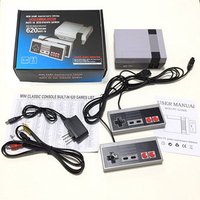
Game Console with 500/620 Classic Games Mini Tv Handheld Family Recreation Video Game Console
Alibaba UK


Glossary
| Terme | Définition |
|---|---|
| Scavenger Hunt | Un jeu où les participants doivent trouver des objets ou accomplir des tâches spécifiques selon une liste. |
| Flore | Ensemble des espèces de plantes qui vivent dans une région donnée. |
| Faune | Ensemble des espèces animales qui habitent un espace géographique particulier. |
Quiz rapide:
> 🧠 Quick Quiz: What is the main purpose of a nature scavenger hunt?
> - A) To find items
> - B) To educate about nature
> - C) To have fun
> Réponse: B — The main purpose is to educate while having fun in nature.
📺 Pour aller plus loin : family nature scavenger hunt ideas 2026 sur YouTube
Recommended products
Selected by our experts

H96 Max+ MaX Plus Smart TV Box RK3328 Quad Core 64bit Mali-450 GPU 4G/64G Android 9.0 2.4G/5.0GHz Wifi Set Top Box Family TV
Alibaba UK

Wholesale HD Version Retro classic family video game console game console case with cheap prices
Alibaba UK
Mini Console built-in 620 Games 8 Bit Retro Handheld Game Player Family TV 620 Video Game Console
Alibaba UK


AMD Ryzen 5 5600X. Processor family: AMD Ryzen 5 Processor socket: Socket AM4 Component for: PC. Memory types supported by processor: DDR4-SDRAM
Quzo UK

AMD Ryzen 7 5800X. Processor family: AMD Ryzen 7 Processor socket: Socket AM4 Component for: PC. Memory types supported by processor: DDR4-SDRAM
Quzo UK