Contents (15 sections)
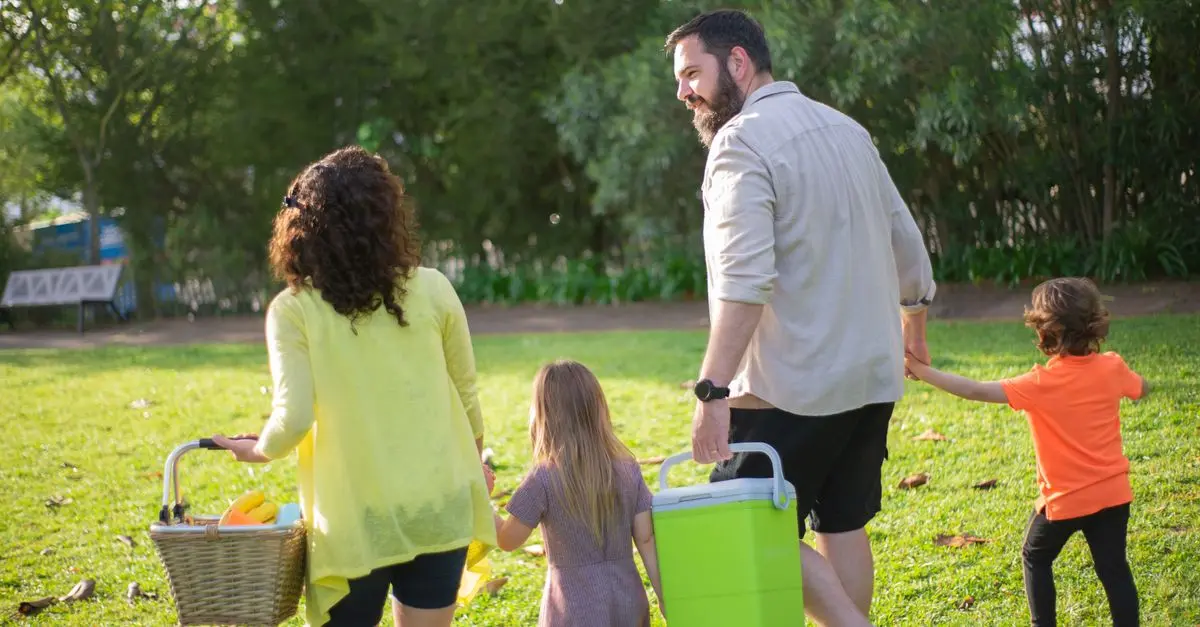
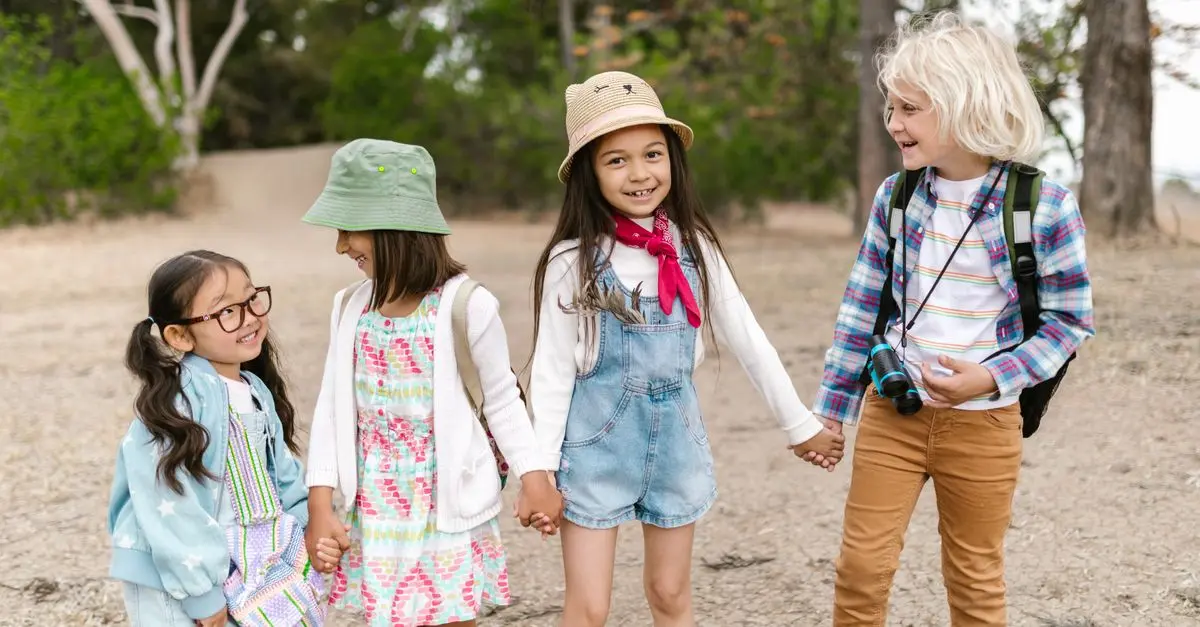
Embarking on a family nature scavenger hunt is not just a fun activity, but also an educational opportunity that brings families closer to nature. Through this guide, we aim to explore how to organise an engaging and enjoyable scavenger hunt perfect for families of all shapes and sizes. You will discover everything from initial planning to execution, ensuring your family adventure is memorable and teaches your children about the natural world around them.
1. Understanding the Importance of a Nature Scavenger Hunt
A family nature scavenger hunt is an interactive way to encourage children to explore their environment. According to a study conducted by the National Wildlife Federation, outdoor activities enhance cognitive development, promote physical health, and stimulate social engagement among children. By engaging in nature hunts, families not only foster a love for the outdoors but also learn about biodiversity, ecosystems, and respect for the environment. This enhances their educational experience while making it enjoyable and hands-on.
Moreover, such activities serve to reduce screen time and connect families through shared experiences and teamwork. They provide a perfect setting to bond over problem-solving and exploration, making these hunts a splendid way to create lasting memories. The thrill of discovery when kids spot their first butterfly or collect interesting stones can ignite a lifelong passion for nature.
2. Step-by-Step: Organising the Scavenger Hunt
Planning your scavenger hunt involves careful consideration and organisation. Here’s a step-by-step breakdown to help you through the process:
Step 1: Choose a Location
Select a suitable natural location like a local park, nature reserve, or even your backyard. Ensure it is safe, accessible, and offers a variety of flora and fauna. Public parks often have designated trails that can enrich the scavenger hunt experience.
Step 2: Set a Date and Time
Pick a date that accommodates all family members. Consider the weather forecast, preferably choosing a clear day for the hunt. Morning or late afternoon can be ideal since animals are usually more active, enhancing the chances of spotting wildlife.
Step 3: Create the Scavenger List
Design a list of items or experiences the participants need to find or accomplish. Items can include leaves of specific trees, different types of flowers, insects, or animal tracks. Crafting a checklist can make the hunt purposeful. Try using images for younger children who may not be able to read yet. Here’s a sample list:
- A red leaf
- A bird's feather
- Three different types of flowers
- A smooth stone
- A ladybug
Step 4: Gather Supplies
Prepare for the day of the hunt by gathering all necessary supplies, which may include:
- Clipboards and pens for checking off items
- Magnifying glasses for examining small creatures
- A camera to capture discoveries
- A first-aid kit for any minor accidents
Ensure participants wear appropriate clothing and bring water for hydration to keep everyone refreshed throughout the adventure.
Step 5: Safety Briefing
Before setting off, conduct a safety briefing to outline the rules. This includes staying within sight of adults, not touching unfamiliar plants or animals, and the importance of respect for nature. Stress the significance of not disturbing wildlife while explaining why conservation is necessary for future generations.
Step 6: The Hunt Begins!
Once everything is in place, embark on your adventure! Encourage collaboration among family members. Reward teamwork and shared discoveries, and remind participants to have fun while learning. Time the excursion to keep it manageable; aim for 1-2 hours, allowing plenty of time for stops along the way to observe nature, discuss, and enjoy the surroundings.
Step 7: Wrap-Up and Reflection
After the hunt, take time to discuss everyone’s discoveries. This debriefing is essential for reinforcing what participants learned about their environment. Encourage family members to share their favourite moments and discoveries from the day.
3. Comparing Different Scavenger Hunts
Whether conducted in urban settings or rural locales, scavenger hunts can vary widely, each offering its unique benefits. The following table illustrates the differences between a traditional flower hunt and a wildlife scavenger hunt:
| Criteria | Flower Hunt | Wildlife Hunt | Verdict |
|---|---|---|---|
| Complexity | Low | Moderate | Depends on the area |
| Educational Value | Low to Moderate | High | Wildlife hunt wins |
| Required Materials | Basic (clipboard/pens) | Moderate (binoculars) | Tie |
| Target Age Group | All | 7+ | Depends on the hunt |
4. Benefits and Trends in Family Outdoor Activities
Participants in the Outdoor Foundation’s 2023 report showed that more families are engaging in outdoor activities compared to previous years, with a notable 7% increase in family hiking and adventure activities. As more families turn to nature for leisure, scavenger hunts have become increasingly popular as they offer multiple avenues for education and enjoyment. Exciting trends include integrating technology, like QR codes linked to nature facts, into scavenger hunts. This modern twist not only enriches the activity but also appeals to tech-savvy younger generations.
In recent years, studies have illustrated the mental health benefits associated with outdoor activities. Families engaging in nature-related experiences report increased feelings of happiness and reduced anxiety, solidifying the importance of getting outside into healthier routines.
5. Common FAQs
> FAQ 1: What is the ideal age for children to participate in a family nature scavenger hunt?
> Answer: Children aged four and up can easily participate, though toddlers can enjoy the experience with assistance.
FAQ 2: How long should the scavenger hunt last?
Answer: An hour to two hours is usually ample time, depending on the area explored and the attention span of children.
FAQ 3: Should we include a competitive element?
Answer: While competition can be fun, teamwork is often more beneficial for a harmonious family outing.
FAQ 4: What if it rains on the planned date?
Answer: Always have a backup plan or an indoor scavenger hunt focused on plants and nature-based facts to ensure fun regardless of the weather!
Checklist before your Family Nature Scavenger Hunt
- [ ] Choose a safe location
- [ ] Prepare a scavenger checklist
- [ ] Gather all necessary supplies
- [ ] Conduct a safety briefing
- [ ] Plan post-hunt reflections
Glossary
| Term | Definition |
|---|---|
| Biodiversity | The variety of life found in a particular habitat or ecosystem. |
| Ecosystem | A biological community interacting with its physical environment. |
| Scavenger Hunt | An activity in which participants find or collect specified items in nature. |
> 📺 For further exploration: Planning the Perfect Family Scavenger Hunt, offering comprehensive insights into all aspects of scavenger hunts. Search on YouTube:
family nature scavenger hunt ideas 2026.
In conclusion, organising a family nature scavenger hunt is an enriching journey promoting appreciation for nature and learning. We encourage you to not just plan the hunt but fully immerse yourself in the experience with your family. Happy hunting!
📺 Pour aller plus loin : family nature scavenger hunt ideas 2026 sur YouTube