Contents (11 sections)
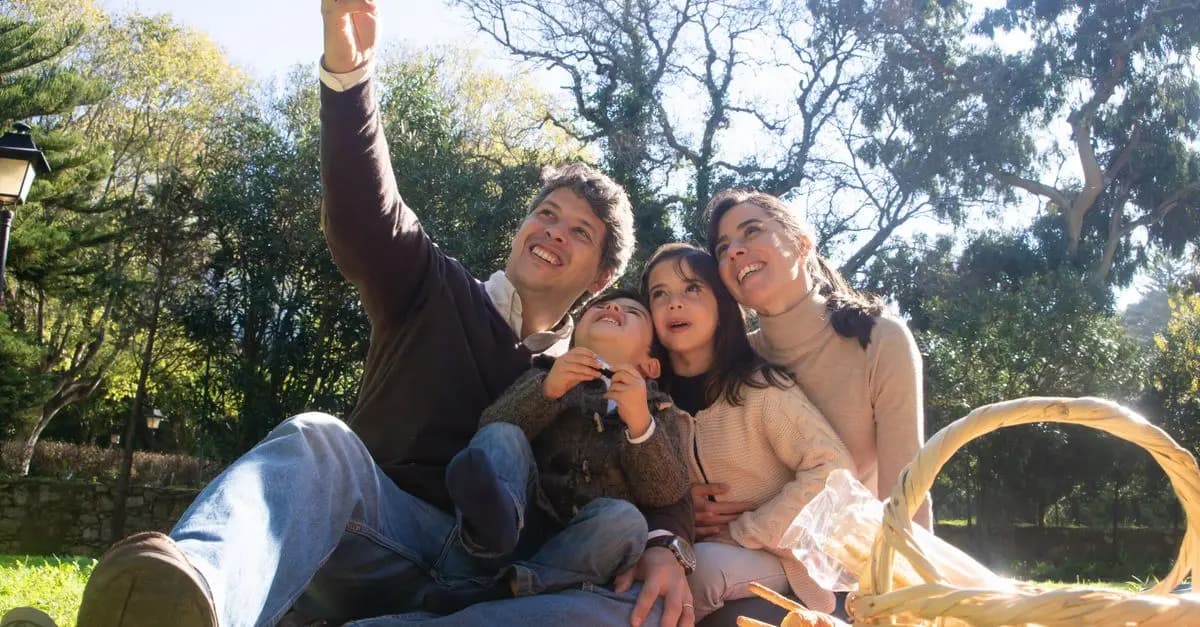
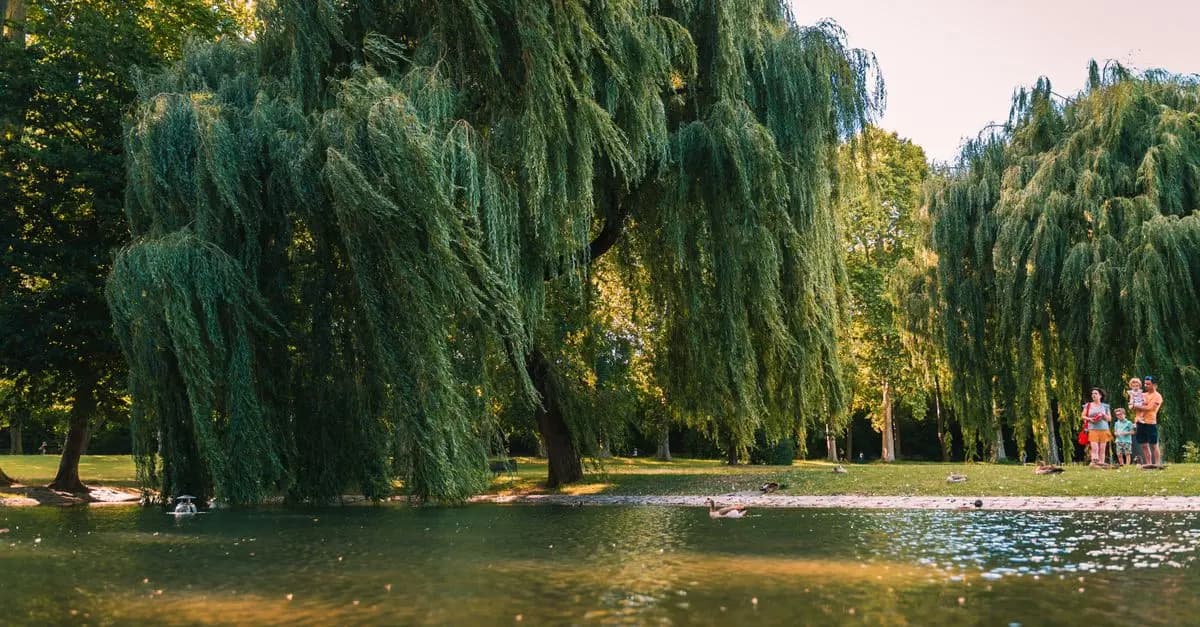
Planning a family nature walk can be both an exciting and bonding experience for everyone involved. It's a wonderful way to explore the outdoors, cherishing quality time while promoting physical activity and learning about the environment. This guide will provide you with all the details necessary to organise a memorable family outing in nature.
Step 1: Define Your Objectives
Before you set off, it’s critical to define what you want to achieve from your family nature walk. Are you aiming to enjoy the fresh air, learn about local wildlife, or simply have fun? Setting clear objectives will guide your decisions throughout the planning process. For instance, if your goal is to educate, consider conducting a mini-biodiversity survey, making a checklist of plants and animals to observe along the way.
Moreover, consider the age and capability of family members. For young children, the walk should be short and engaging; aim for a scenic route with plenty of opportunities for discovery, such as interesting plants or small animals. For older children or adults, longer trails that provide physical challenges may be more appropriate.
Step 2: Choose the Right Location
Selecting an appropriate location is crucial for a successful nature walk. Look for local parks, nature reserves, or trails that match your family's skills and interests. Websites like the Wildlife Trusts or National Trust can provide detailed information about trails in your area. Consider the following tips while choosing:
- Accessibility: Ensure the trail is suitable for all members of your family, factoring in strollers or wheelchairs if necessary.
- Wildlife and Flora: Research what animals and plants you can expect to see. This can heighten excitement and learning opportunities.
- Facilities: Check for restrooms and picnic areas if you plan to make a day of it.
Step 3: Plan the Logistics
Logistical planning can make or break your nature walk experience. Make sure to prepare for all aspects, such as:
- Timing: Choose a day and time that suits your family, bearing in mind the weather and daylight hours. Early mornings or late afternoons can often be the best times to experience wildlife.
- Duration: Determine how long you plan to spend walking, including breaks. A good range for a family walk can be 1-3 hours, allowing time for exploration and rest.
- Gear: Ensure each family member has suitable clothing and footwear. Opt for comfortable shoes and consider weather conditions (e.g., hats, sunglasses, or rain jackets).
- Snacks and Drinks: Bring along water and snacks to keep energy levels high. Healthy choices like fruit, nuts, or energy bars work best.
Step 4: Engage Everyone in the Experience
To make the family nature walk more enjoyable, involve everyone in the process. Here are some activities that could help keep interest levels high and make the outing educational:
- Nature Scavenger Hunt: Create a list of items for family members to find, such as specific types of leaves, rocks, or bird species. This interactive approach encourages exploration.
- Photography: Encourage older children to bring cameras or smartphones to capture their discoveries. This can lead to creative discussions later about their best shots.
- Nature Journaling: Bring along a notebook for each family member to jot down observations or sketch interesting sights. This promotes engagement and appreciation.
Step 5: Safety Precautions
Safety should always be a priority. Before you head out, make sure to:
- Check the Weather: Always keep an eye on forecasts to avoid unexpected rain or extreme heat.
- Prepare for Emergencies: Pack a basic first-aid kit, including plasters, antiseptic wipes, and any relevant medications.
- Stay on Trails: Remind everyone to stick to marked trails to avoid getting lost and to protect the natural environment.
Recap Checklist
- [ ] Define your objectives for the nature walk.
- [ ] Choose a suitable location considering accessibility and interest.
- [ ] Plan for logistics: timing, duration, and gear needed.
- [ ] Involve everyone with engaging activities.
- [ ] Ensure all safety precautions are followed.
Conclusion
By carefully planning your family nature walk, you can create an enjoyable and enriching experience that everyone will remember. Not only do you foster a love for the outdoors, but you also create cherished memories with your loved ones. Take the plunge and explore the great outdoors!
Glossary
| Terme | Définition |
|---|---|
| Scavenger Hunt | Une activité interactive où les participants recherchent des objets spécifiques dans la nature. |
| Wildlife | Les animaux et plantes qui vivent librement dans leur habitat naturel. |
| Biodiversity | La variété des espèces vivantes dans un habitat donné. |
📺 Ressource Vidéo
> 📺 Pour aller plus loin : Family Nature Walk Tips, une analyse complète de la planification d'une promenade familiale en pleine nature. Recherchez sur YouTube : "tips for planning a family nature walk".
Quiz rapide
> 🧠 Quiz rapide : Quelle est l'importance de la planification d'une famille nature walk ?
> - A) C'est juste pour s'amuser.
> - B) Pour éviter les problèmes.
> - C) Pour voir des animaux.
> Réponse : B — Une bonne planification aide à garantir la sécurité et le plaisir de tous.
📺 Pour aller plus loin : tips for planning a family nature walk sur YouTube