Contents (10 sections)
Planning a successful family nature walk is more than just picking a trail. It involves careful organisation, understanding what each family member needs, and ensuring the experience is enjoyable and memorable for everyone involved. In this guide, we'll explore the importance of nature walks, how to plan them efficiently, and offer practical tips to enhance your adventure.
1. Understanding the Importance of Family Nature Walks
Family nature walks offer countless benefits. They promote physical health, foster connections among family members, and encourage appreciation of the natural world. According to research from Natural England, spending time in nature can reduce stress levels and improve overall wellbeing, which is crucial in today’s fast-paced society.
Additionally, being outdoors allows children to learn about their environment, develop curiosity, and gain respect for nature. Engaging in such activities together strengthens family bonds, creating lasting memories. Furthermore, according to a survey by The National Trust, families who engage in outdoor activities report higher satisfaction levels in their family life. Thus, making family nature walks a regular practice can be a profound investment in your family’s emotional and physical health.
2. Choosing the Perfect Trail
Selecting the right trail is foundational to organising a successful family nature walk. Begin by considering the age and fitness levels of all family members. Look for trails that are well-marked and have the appropriate difficulty level to avoid frustration. Websites like AllTrails can provide local options, along with user reviews highlighting trail conditions.
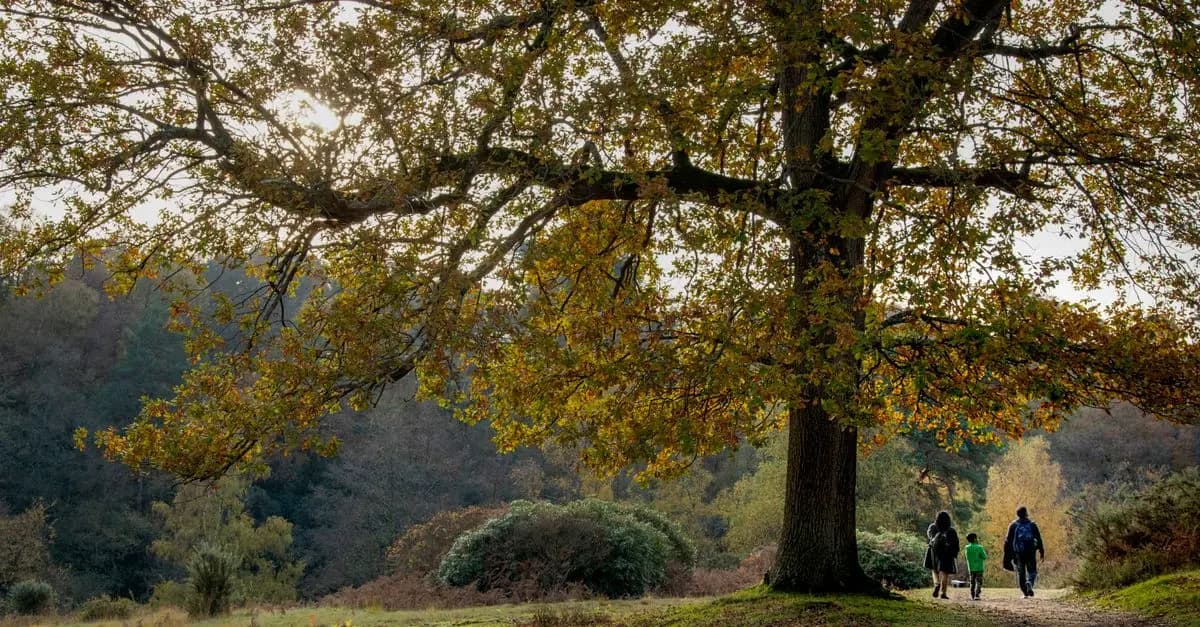
For families with young children, choose shorter, flat trails with plenty of stopping points, such as picnic areas or viewpoints. In contrast, if your family enjoys a challenge, you could explore more rugged terrain but remember to ensure everyone is prepared with appropriate gear. Furthermore, familiarising yourself with the area can help identify potential hazards, such as steep drops or hazardous wildlife. It’s important to ensure that the selected trail aligns with everyone’s interests—whether it be a loop around a lake or a path through a scenic forest.
💡 Expert Tip: Aim to visit trails during off-peak times to avoid crowds and to enhance the peaceful experience.
3. Preparing for the Adventure
Preparation is key to a successful family nature walk. Assemble a checklist of essential items:
- Comfortable footwear: Appropriate shoes can prevent blisters and make the experience more enjoyable.
- Clothing layers: Weather can change unexpectedly, especially in spring and autumn.
- Food and water: Staying hydrated and nourished will keep energy levels up, especially for children. Consider packing nutritious snacks that are easy to carry, like fruit and nuts.
- Basic first aid kit: Having supplies on hand for minor scrapes and insect bites is advisable.
- Navigation tools: Map or GPS device, especially if you're exploring less-trafficked areas.
Encouraging children to carry their own small backpacks can make them feel involved and responsible. Discussing the plan beforehand, including expected duration and what to look forward to can help build excitement.
4. Engaging Activities During the Walk
To make your family nature walk more enriching, incorporate engaging activities along the way. Here are some suggestions:
- Nature scavenger hunt: Create a list of items for family members to find, such as specific leaves, birds, or rocks. This can keep younger children motivated and engaged.
- Photography challenge: Encourage older children to document the walk with photographs, perhaps even creating a family album afterward.
- Storytelling or singing: Sharing stories or singing songs while walking can enhance the journey and create shared experiences.
Statistics from Children & Nature Network indicate that children who engage in interactive nature experiences demonstrate enhanced creativity and problem-solving skills. Thus, fostering these experiences will have lasting impacts beyond just the walk.
5. Safety Considerations
Ensuring safety during your family nature walk is paramount. Begin with educating your family about the local wildlife and plants—while most are harmless, some may pose risks. Make sure everyone knows to stay on marked paths and avoid touching unfamiliar plants.
Additionally, keep an eye on weather conditions. Sudden changes can bring about challenges; hence being prepared with raincoats or umbrellas can keep spirits high.
Plan your return journey to ensure you have enough time to get back before dark. Using a trail app or map for tracking your route can help prevent getting lost. Make it a practice to inform someone about your walk details just in case of emergencies.
📺 Resource Video
> 📺 To go further: Watch our guide on planning family-friendly outdoor adventures. Search on YouTube for: family nature walk tips 2026.
Checklist Before Your Nature Walk
- [ ] Select a suitable trail for all members.
- [ ] Prepare essential gear (food, water, first aid).
- [ ] Discuss the route and activities with the family.
- [ ] Ensure everyone is dressed appropriately for the weather.
- [ ] Plan safety measures and emergency contacts.
Glossary
| Terme | Définition |
|---|---|
| Nature Scavenger Hunt | Une activité où les participants recherchent des éléments spécifiques dans la nature. |
| Trail Markers | Signes ou balises qui indiquent le chemin sur un sentier. |
| First Aid Kit | Ensemble de fournitures médicales de base pour traiter les blessures mineures. |
🧠 Quick Quiz
> What is the best way to engage children during a nature walk?
> - A) Give them electronic devices.
> - B) Play games and involve them in discussions.
> - C) Walk silently.
> Answer: B — Engaging children in activities fosters curiosity and creates a memorable experience.
By following these steps, you can create a wonderful family tradition of nature walking that not only brings joy but also promotes health and wellbeing for every family member.
📺 Pour aller plus loin : family nature walk tips 2026 sur YouTube