Contents (9 sections)
A family nature walk is not only a wonderful opportunity to explore the beauty of the great outdoors, but it also enhances family bonds, promotes fitness, and encourages a love for nature. This guide offers a detailed, step-by-step approach to planning a memorable nature walk that every family member can enjoy.
1. Choose the Right Location
Before you embark on your family nature walk, selecting an appropriate location is crucial. Consider the ages and abilities of your family members when looking for a suitable trail. The National Trust offers access to numerous well-maintained pathways across the UK, ranging from short, flat walks to more challenging hikes. Some excellent options include Wales' Brecon Beacons for stunning views, or the gentle paths around Lake District National Park for families with younger children.
Factors to consider:
- Accessibility: Ensure trails are disability-friendly if necessary.
- Length of the Walk: Aim for a distance that suits your family’s physical capabilities, typically shorter routes for younger children, around 2-5 km.
- Facilities: Look for parks or areas with toilet facilities and picnic spots for breaks.
💡 Pro Tip: Check local park websites or community forums for current conditions and any family-friendly events that may be taking place on your chosen date.
2. Plan the Itinerary
Creating a structured itinerary can make your family nature walk more enjoyable and manageable. Be sure to include breaks and activities, especially for younger children, to keep them engaged. For instance, consider incorporating time for a picnic or nature scavenger hunt along the route. According to a study by The Wildlife Trusts, children who actively engage with nature show improved wellbeing and awareness of their surroundings.
An example itinerary could include:
- 10:00 AM: Arrive at the trailhead, gather supplies.
- 10:30 AM: Begin walk with a fun nature game (like bird spotting).
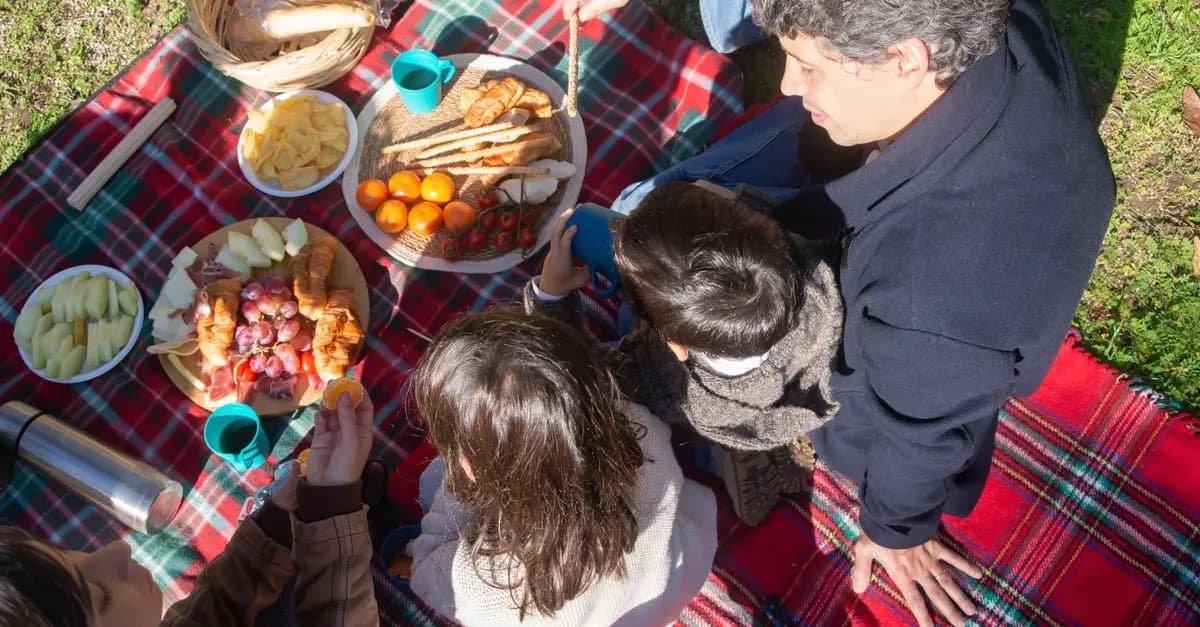
- 11:30 AM: Stop for a snack/picnic.
- 12:00 PM: Continue the walk, adding educational aspects (identifying plant species).
Common Mistakes to Avoid: Failing to account for breaks could lead to tiredness, particularly with younger children. Keep the pace relaxed to ensure it’s pleasant for everyone.
3. Gear Up for the Adventure
What you bring along can greatly impact your family's enjoyment. Adequate preparation is essential. Start with comfortable footwear — sturdy walking boots or trainers are ideal. According to Trail Magazine, wearing the right footwear reduces the risk of blisters and improves stability.
Additional essential items include:
- Water Bottles: Hydration is key, especially on warm days. A good rule of thumb is roughly half a litre per person for every hour of walking.
- Snacks: Bring healthy, energising snacks like fruits, nuts or energy bars. This will keep energy levels high, especially for children.
- Sunscreen and Hats: Protect against UV rays, even on cloudy days.
Remember: Always check the weather forecast and bring a lightweight rain jacket in case of unexpected showers.
4. Engage with Nature
To enrich your family's experience, consider interactive activities that promote engagement with the environment. For children, a nature scavenger hunt can be especially exciting. Create a checklist of items to find — this can include leaves, specific types of flowers, or even different bird species. The excitement of spotting these items can turn a simple walk into an adventure.
Educational engagement can also be incorporated:
- Discuss the importance of conservation and how your family can contribute.
- Visit local nature reserves, where guides often offer workshops on flora and fauna.
Engaging kids in conversation about their surroundings can foster a deeper appreciation for nature. In 2025, RSPB noted that such interactive walks can significantly boost children's understanding of ecology.
5. Capture the Memories
Finally, don’t forget to document your family's day. Taking photos not only preserves memories but also gives children something to talk about later. Encourage them to take their own photographs, which fosters creativity and initiative. You might even consider creating a scrapbook when you return home.
Additionally, sharing your experiences on social media can inspire other families to enjoy their own nature walks and might even lead to valuable connections within the community!
Checklist Before the Nature Walk
- [ ] Decide on a suitable location.
- [ ] Plan the itinerary with rest breaks.
- [ ] Prepare snacks and drinks.
- [ ] Pack necessary gear, including safety items.
- [ ] Plan nature engagement activities.
📺 Ressource Vidéo: Explore the Benefits of Nature Walks for Families, an in-depth look at how to enhance your outdoor adventures. Search on YouTube: family nature walk planning ideas.
Glossaire
| Terme | Définition |
|---|---|
| Inclusion | Intégration de tous les membres de la famille dans les activités de plein air. |
| Écologie | Science des interactions entre les organismes et leur environnement. |
| Itinéraire | Plan détaillé des étapes et des activités durant un événement ou une sortie. |
---
📺 Pour aller plus loin : how to plan a family nature walk sur YouTube